







Former editors, Anne Weaver and Bobbie Hasselbring traveled on Holland America’s 10-Day Panama Cruise where food experts from America’s Test Kitchen and Cook’s Country were teaching. This entire week, they’re going to bring you stories from our Holland America/America’s Test Kitchen experience.
Anne and I are both pretty confident as cooks and food writers. However, we were amazed at how much we learned from the America’s Test Kitchen experts.
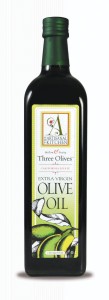
Olive oil should always be stored in a dark container.
Here, in no particular order, is a sampling of their culinary tidbits you might find helpful:
Non-stick pans. Teflon is still the best for non-stick pans. However, over time it will flake off. Use only plastic utensils and replace as soon as pans begin to show wear. OXO’s Teflon pan is one of the best, and it’s induction-safe.
Olive oil. Store olive oil in dark bottles and use within 3 months. Use canola rather than olive oil at high temperatures. Olive oil loses a lot of its flavor when heated, even at low temperatures. For more flavor, drizzle quality olive oil onto dishes just before serving.

Cook dried pasta about 3 minutes less than the package directions.
Pasta. Cook dried pasta 3 minutes less than the package directions. Cook 1 lb. pasta in 4 quarts of water with 1 Tbs. salt (2 Tbs. if using Kosher salt). Drain, but don’t rinse pasta (the starch helps the sauce stick to the pasta). Retain some of the pasta water to thin sauce. Return pasta to hot pan, add sauce and use tongs to toss. Serve on warm plates that have been pre-heated in a 200F oven.
Garlic. When members of the allium family like garlic (or onions) are cut, they react with the air and the flavor intensifies. If you mince or chop garlic early, the flavor will be more intense. Use a little less garlic if you press it (more air exposure = more intense flavor). Never put garlic into a hot pan (it’ll just burn). Put oil and garlic into a cold pan and add heat slowly.
Fond. The tasty brown bits at the bottom of the pan are called fond and they’re essential to flavorful cooking. They’re the result of something called the Maillard reaction, the scientific name for the chemical reaction between proteins, sugars and amino acids that browns food. You can loosen fond in a pan by adding wine or broth (deglazing).
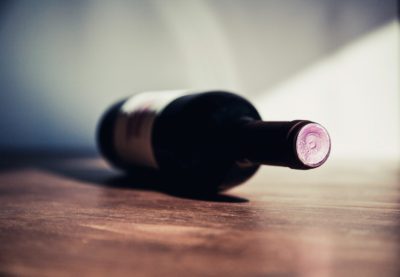
Cook with wine you’d actually drink.
Reduction. This is when you cook liquids down and reduce their volume. It concentrates flavors.
Butter for silky sauces. When making sauce, add cold butter in small chunks. This enables you to mix the butter into the sauce by breaking it into small droplets and gives the sauce a silky mouth feel.
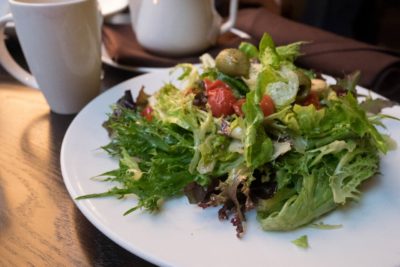
Use salad dressings very sparingly.
Salads/dressing. Stay away from pre-cut greens whenever possible and cut your own greens just before serving. Wash greens and use a salad spinner to dry (water on greens dilutes dressing). When making vinaigrette, add a little mayonnaise as emulsifier to help the dressing stay together. Use very little dressing on salads; just enough to barely coat greens.
Acidity. Acids like lemon juice can brighten flavors and make them more lively. When making sauces, for example, add small amounts of lemon juice slowly and taste often.
Umami. The taste buds are stimulated by five fundamental taste sensations—sweet, salty, sour, bitter, and umami. When making gravy with meat or poultry stock, often the stock lacks umami, that nearly un-definable rich, savory flavor. To add umami, try adding a little fish sauce. It’ll add a rich flavor without fishiness.
Cooking with wine. Use wine you’d drink rather than so-called “cooking wine” in dishes. Often a recipe will call for only a small amount of wine and you can drink the rest if you use good wine. Also cooking wines contain a lot of salt.
Champagne. Yeast + sugar creates Co2 and alcohol in champagne, which causes it to be carbonated. To open champagne without it exploding and spilling all over, hold the cork and slowly turn the bottom of the bottle 7 times. For more bubbly champagne, serve in tall flute glasses.
Wine/sweet pairing. When pairing wine with sweets like chocolate or dessert, you’re looking for something called bi-directional contrast (the wine and sweet should not taste similar). Red wine and dark chocolate do not make a good pairing. They’re too similar in flavor and the chocolate makes the wine taste sour. Instead, pair dark chocolate with a ruby port. When serving wine with dessert, look for a wine that’s sweeter than the dessert. And never serve dry champagne with wedding cake!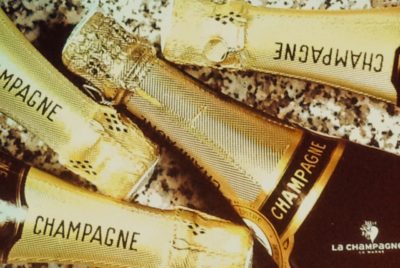
Red wine breathing. Experts often tell us to “breathe” red wines by opening them for a while before drinking, but how long? The experts at ATK say the older the wine, the longer it needs to breathe before being consumed. If you have a 20-year-old red wine, open it and allow it to breath all day. If you’re drinking a younger, $15 bottle of red, it only needs 30-60 minutes of breathing time.
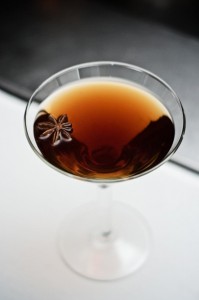
Photo: Sergio Salvador
Cocktails. Shaking a cocktail actually changes the structure of the drink. It adds air, makes it colder, and dilutes the cocktail. — Bobbie Hasselbring, former RFT Editor






0 Comments