








Visit the United Kingdom and you’re in for foods that may be at once familiar and at once unlike anything you’re used to. In this sponsored article, we learn about the authentic local dishes to expect to see in various eating establishments, from restaurants to pubs.
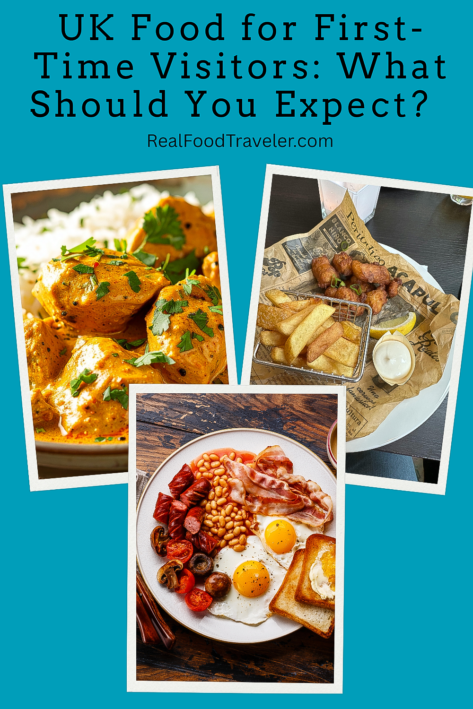
Save this article to Pinterest to help you plan your culinary journey to the UK. Graphic by RealFoodTraveler.com.
UK Food for First-Time Visitors: What Should You Expect?
One of pop culture’s greatest crimes is the disservice it does to UK food quality and variety. The myth that UK cuisine is bland and unappetizing needs to disappear. Let’s start by giving you a virtual taste! Hopefully, this will motivate you to experience the real thing and join the growing ranks of the UK’s foodie evangelists.
What to Expect from UK Food Culture?
Staples like potatoes, breads, beef, pork, and especially tea, give the whole of the UK a recognizable culinary flair. You’ll find hearty, iconic dishes like fish and chips or bangers and mash, roasts, and shepherd’s pie on the menu practically everywhere.
That said, UK cuisine has grown cosmopolitan, with clear influences and contributions from India, the Caribbean, the Middle East, and Turkey, just to name the obvious ones. The UK – India culinary exchange is particularly influential. On the one hand, foods like vindaloo, biryani, and curry became recognizable worldwide after being welcomed and experimented with in British kitchens. On the other, foods you’d swear were Indian, like chicken tikka masala, are a bona fide UK invention.
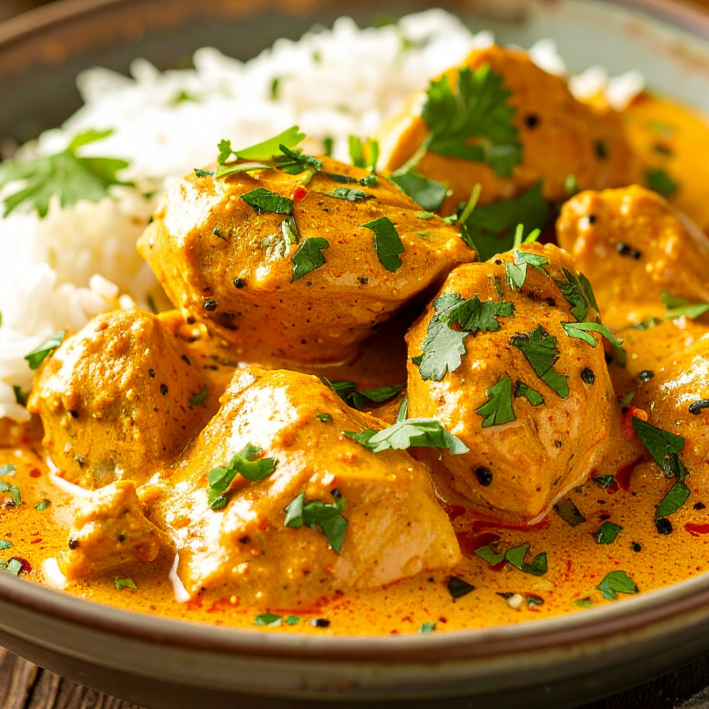
Chicken Tikka Masala can be found throughout England. Photo courtesy of Canva.
Eating Habits
Brits don’t stand on ceremony when it comes to dining. Pubs are particularly popular for eating out because they’re cozy and relaxed. Outsiders often think they only serve drinks. In reality, you can enjoy a decent meal while socializing with friends without feeling pressured to finish up quickly. That said, the best pubs are dispersed and not easy to find without maps and review sites. Using an eSIM plan for the UK will let you access these resources and find the hidden gems in no time.
While weekday meals are typically less organized, many UK families reserve Sundays for lunch get-togethers. A roast with potatoes, vegetables, and Yorkshire pudding is usually the centerpiece. Less formal alternatives include sausage rolls, quiches and tarts, or pork pies.
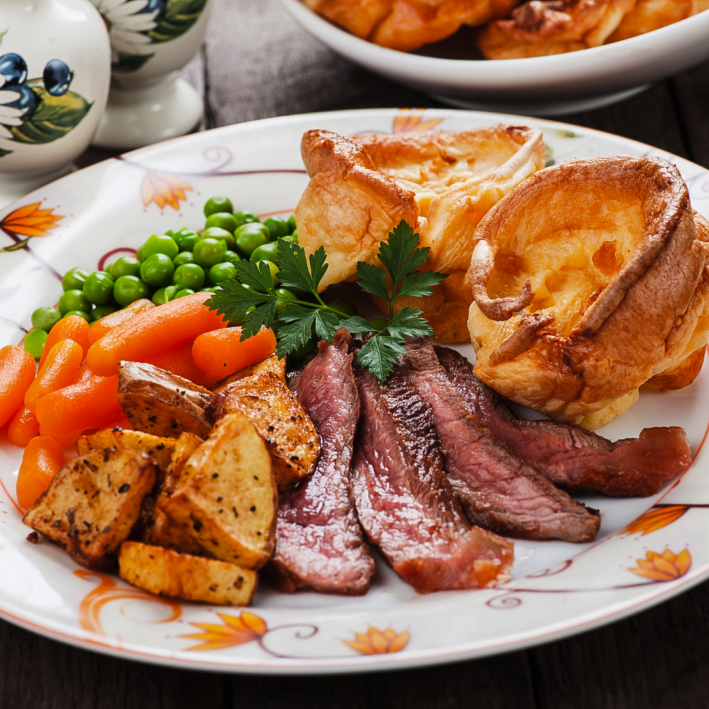
Yorkshire pudding is a must with roast dinners in the UK. Photo courtesy of Canva.com.
Portion Sizes
The size perception of typical UK portions depends on where you’re visiting from. Americans may find that pub meals aren’t as huge as the ones they’re used to back home. Those same portions are larger than what visitors from continental Europe or East Asia are used to.
As a rule of thumb, the above flies out the window if you’re in Northern England or want to experience the famed full English breakfast.
The Breakfast Bonanza
Breakfast portions are huge due to the sheer abundance of ingredients. At a minimum, the typical full English comes with bacon and eggs, baked beans, sausages, toast, and tomatoes. You may also get black pudding and mushrooms, and that’s without considering regional variants like the full Scottish or the Ulster Fry from Northern Ireland.
While you should try it at least once, a meal as loaded as a full English is something natives usually indulge in over the weekend and as a treat. It’s also a great hangover cure!
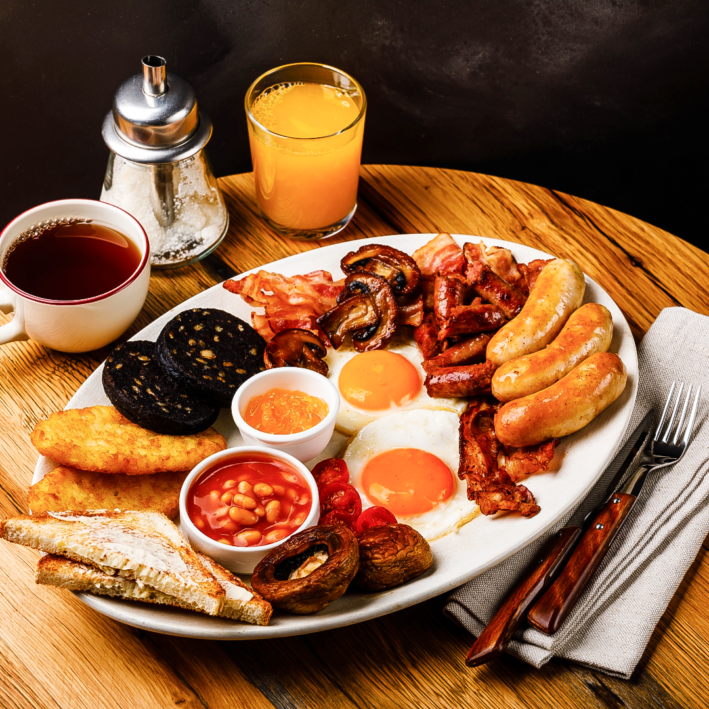
A Full English Breakfast is plentiful and offers a lot of variety. Photo courtesy of Canva.com.
Regional Differences
While staple ingredients are shared, each UK region boasts distinct flavors, dishes, and cooking traditions well worth exploring.
England is associated with the most instantly recognizable dishes like fish and chips or shepherd’s pie. Even so, there are differences between the North and the South. Due to the coast, southern English cuisine embraces seafood and pasties more. Northern England is famous for its larger portions, assortment of gravies, and love of black pudding.
Aside from enjoying rarebit/rabbit (which is actually toast topped with cheese and sauce), the Welsh love lamb, either roasted or cooked in a savory stew called “cawl.” They also enjoy bara brith, a dessert loaf studded with tea-soaked dried fruit.
The Northern Irish take on stew is starchier and heartier than cawl, evoking a long rural heritage. Soda bread and mashed potatoes with scallions and butter, called “champ,” further embody the delights of old-fashioned, rustic cooking.
If you’ve already tried haggis, you’ll want to deepen your knowledge of Scottish cuisine with fish dishes. Go with “Cullen skink” if you love creamy haddock soup or try an original “Arbroath smokie” if you’re more into haddock smoked over wood. Scotch pies make for handy snacks, while few UK desserts match the decadence of “cranachan.”
Food-Related UK Travel Tips
Finally, here are some rapid-fire tips to make your food journey safer and more pleasant:
- Food in pubs typically stops being served at 8 or 9pm, so plan your dinners accordingly.
- Pubs provide free Wi-Fi, which is shared among many patrons and may not be secure. Turn on one of the best VPNs whenever you use it, especially if you plan on accessing personal accounts.
- Your UK culinary journey won’t be complete without the supermarket experience. Supermarket chains offer excellent ready-made meals and tasty baked goods, so try some when you want to give your wallet a rest from dining out.
- While London or Edinburgh offer practically every dish under the sun, you’ll want to venture out to experience the authentic regional feel. York, Cardiff, Inverness, or Derry are sure to deliver.









0 Comments