









One of the best parts about culinary travel is trying new foods – or new takes on foods you’ve taken for granted, or maybe never took a shine to – until now! We welcome writer Maribeth Mellin to RealFoodTraveler.com with her exploration of the squash, chayote, while she was in Michoacán.

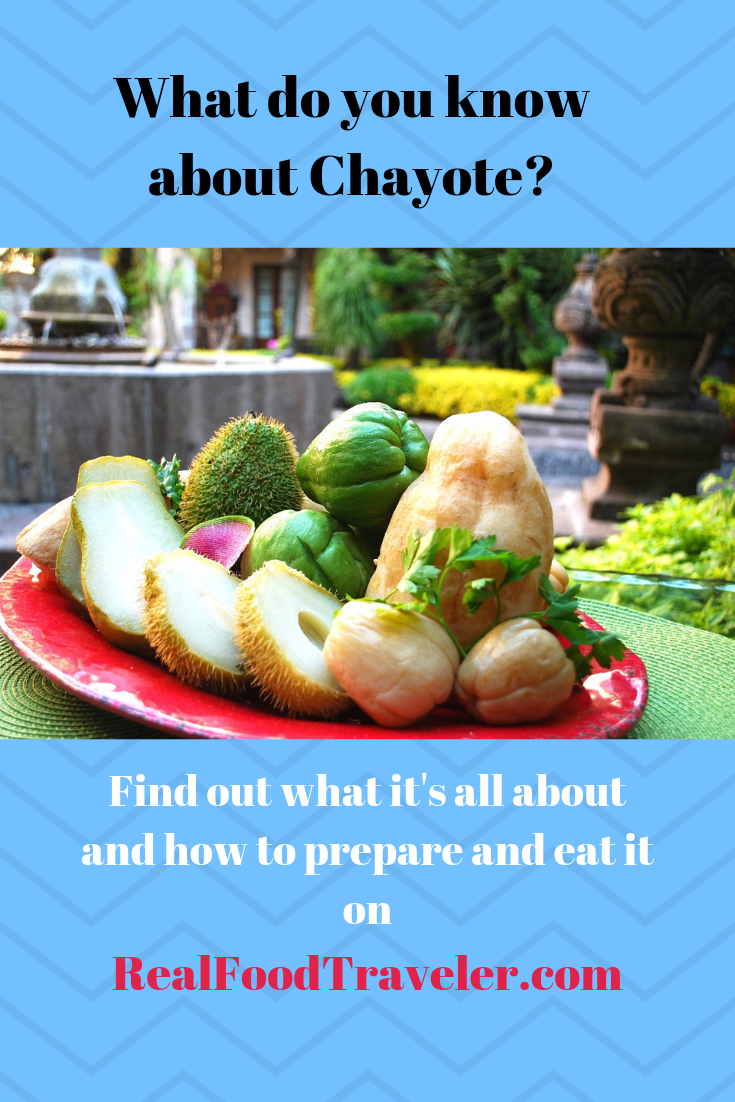
Some chayote have prickly spines.
I’ve never been fond of the humble chayote. My taste buds have always found it mushy and bland. Yet the puckered squash is ubiquitous on dining tables in Latin America and Asia. This popularity puzzled me until I visited Michoacán, high in Mexico’s Sierras, during chayote season (January). My attitude and palate evolved over a few busy days. I now know that lime, salt and chilies transform chayote both raw and cooked into tasty snacks. And the meat and roots are infinitely adaptable. Much like the potato, chayote takes on other flavors and textures and is used in everything from scrambled eggs to crystallized candy.

Chayote farms are backed by mountains in rural Michoacán.
Michoacán is Mexico’s second largest producer of chayote, and its largest producer of avocados. The mountainous state is packed with natural and cultural wonders, including monarch butterfly sanctuaries, colonial cities, and traditional towns known for their fabulous regional food and collectible folk art. I based my explorations in Morelia, the UNESCO-recognized capital city filled with colonial-era churches and mansions. I alternated between museums and markets in the city and day trips to magical lakeside towns where I sampled ice creams, carnitas and fried charales, tiny fish from Lake Pátzcuaro.
To begin my chayote education, I traveled into the pine-scented, wild countryside. At the end of a one rutted dirt road I found a maze of vine-covered trellises as far as the eye could see. Men in worn T-shirts bearing plastic milk crates walked beneath the vines, picking smooth, shiny fruit (squash is a fruit, I learned) dangling overhead. The finest examples were crated for delivery to markets in Morelia and Mexico City, while the bulk of the harvest served as an inexpensive, filling source of fiber and nutrients for the community.
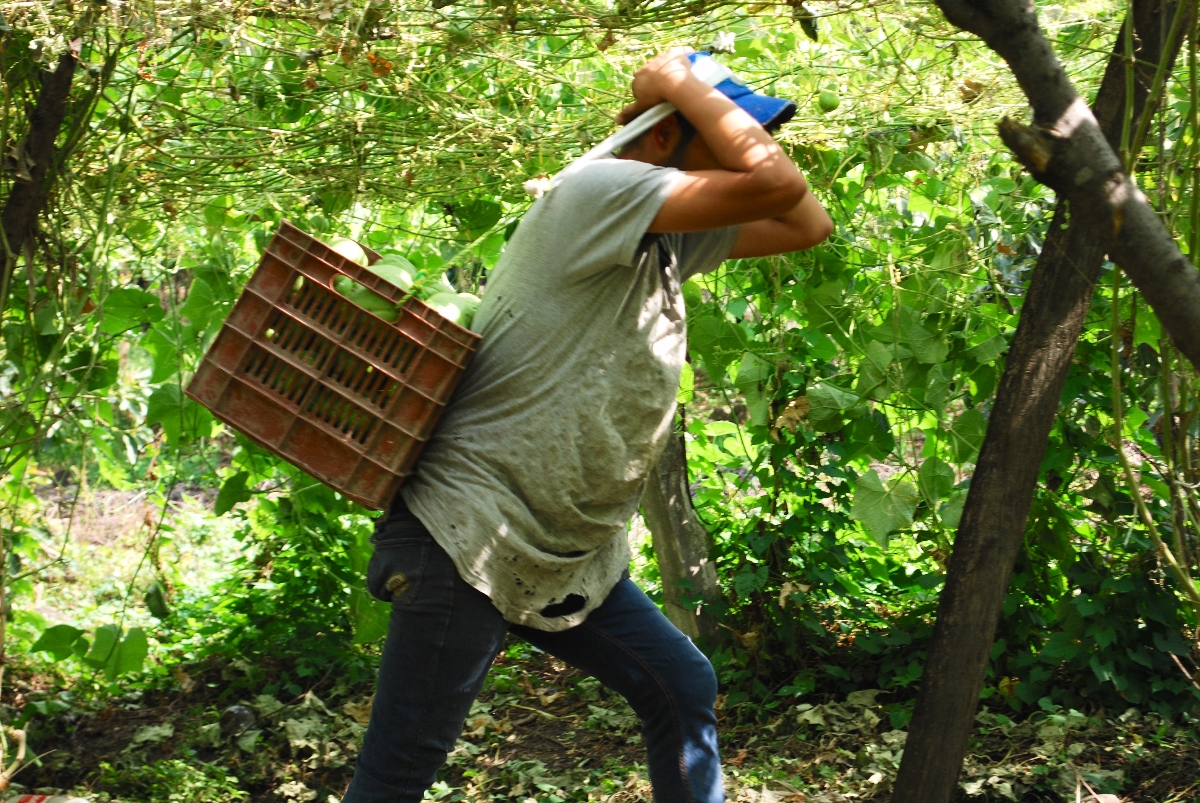
Workers harvest chayote by hand at rural farms.
At the second farm, chayote vines twisted over the ground and climbed well-tended avocado trees. It was hard to walk and not crush a fruit. Various avocado groves and chayote plots covered the land in this collective farm and children hung out with parents scouring the ground for hidden fruit.

Chayote vines cover trellises at a farm.
Chayote serves as a filling snack and side dish, and is used to extend scrambled eggs, stews and soups. It’s believed to have many health benefits such as helping with arteriosclerosis and to treat kidney ailments. Relatively low in carbohydrates, it’s a popular starch replacement in low-carb diets.
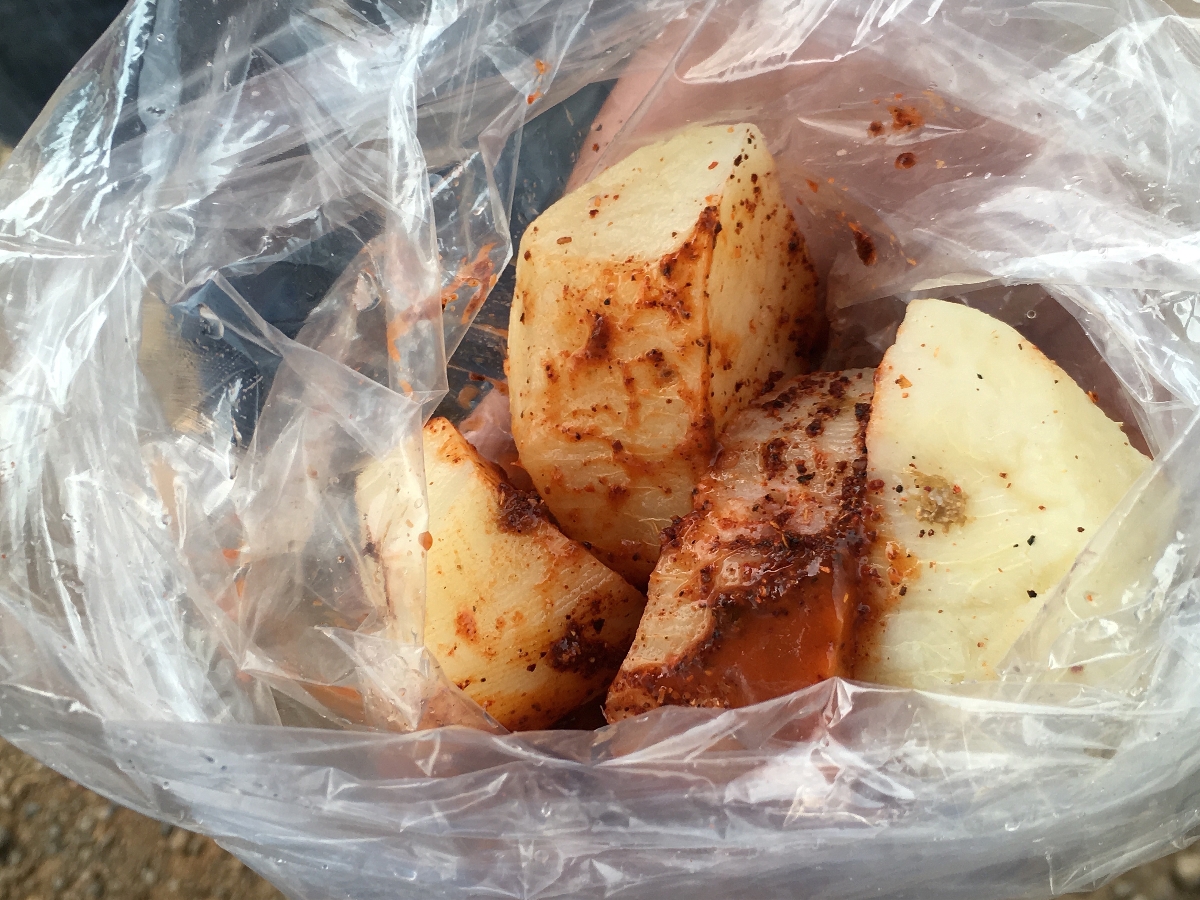
Cooked chayote sprinkled with lime and chilies is a popular snack.
I sampled boiled chayote doused with hot sauce, salt and lime at a rural roadside stand and found it in its many forms at Morelia’s markets. Spiny, smooth, green, brown and white chayote were piled high at market stands and baked and boiled versions were on offer. Raw chayote was crunchy like jicama and had a slight tang. Shoppers carried baked squash in their hands, munching on the meat as they browsed. I tried it and found it predictably bland.
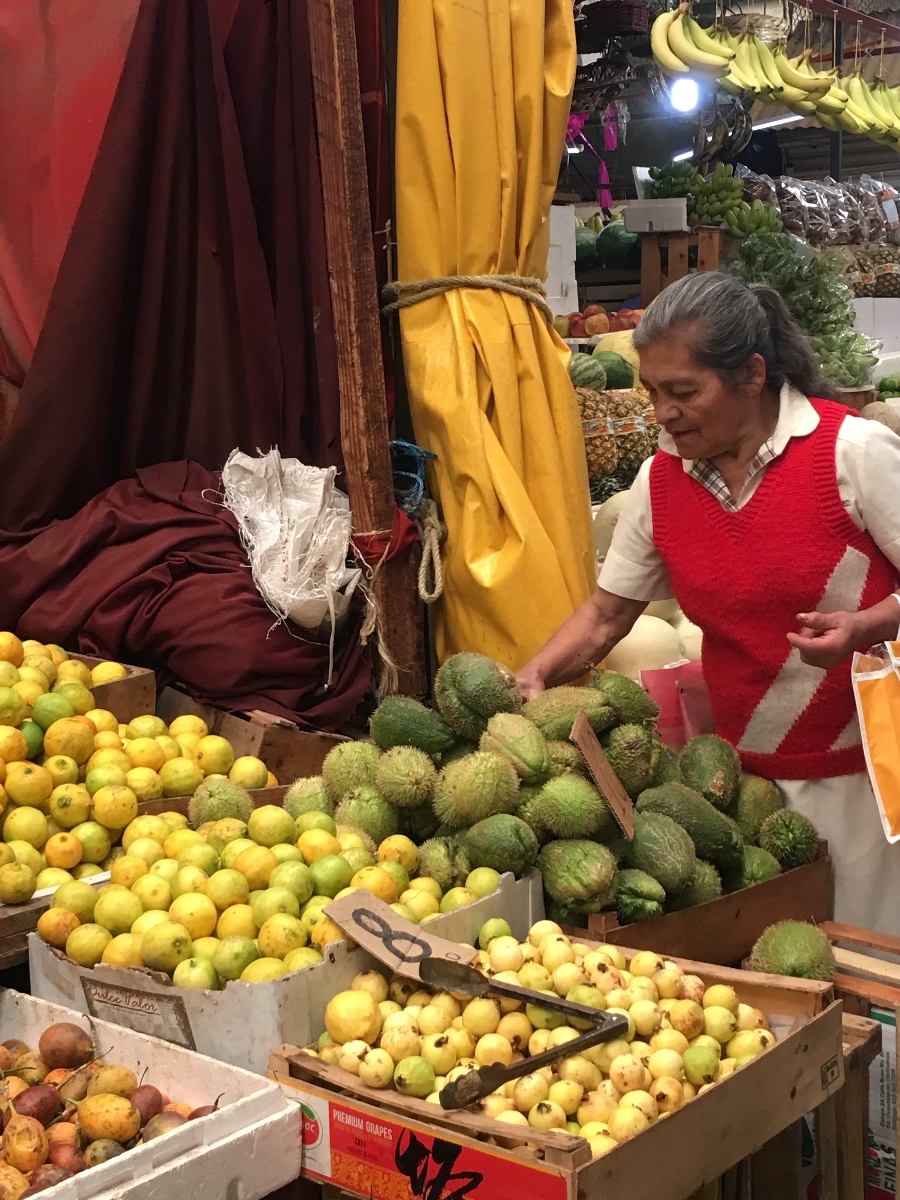
Chayote is sold at local markets when in season.
Chayote was gussied up at some of Morelia’s finer restaurants. Chef Manuel Gomez’s Plato de Degustación de Chayote changed my attitude toward chayote completely. Gomez oversees the kitchen and regional Mexican restaurant at Villa Montaña Hotel & Spa, a serene country estate in Morelia. Gomez specializes in the regional cuisine of Michoacán, and the restaurant hosts many business and family celebrations. When chayote is in season, Gomez batters it for crunchy tempura and blends it with cream and cheese au gratin style. Even the traditional cubed chayote with tomatoes and onions tasted exceptional.

The chayote tasting platter at Villa Montaña Hotel & Spa.
According to Chef Josué Ontiveros at Morelia’s sophisticated Hotel De La Soledad, chayote has been part of the Mexican diet since pre-Hispanic times. Ontiveros oversees the cuisine at the hotel’s serene Marogui restaurant, with tables in the lush courtyard of a gorgeously restored 17th-century mansion just steps from Morelia’s 18th-century cathedral. Ontiveros went all out, topping a tlacoyo (a corn masa base) with mashed chayote root and escamoles (ant eggs, an Aztec delicacy) and floated a chayote croquette in a savory tomato salsa. His moist chayote panque (sweet bread) sealed the deal. I now appreciate and enjoy the humble chayote.
— Story and photos by Maribeth Mellin
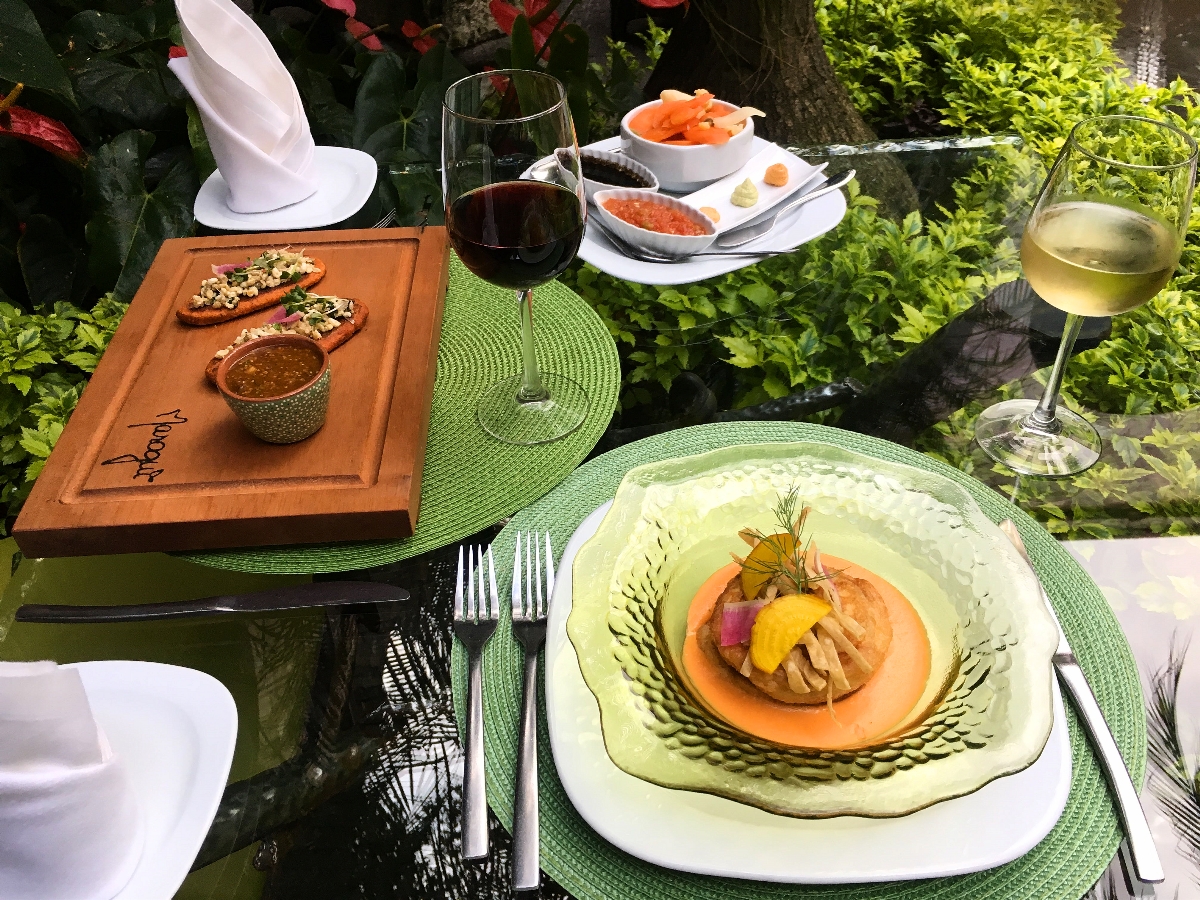
Gourmet chayote at Hotel de la Soledad.
Hungry for more? Make another discovery in Mexico, to Valle de Bravo in this article.
Don’t forget what you’ve learned here today – PIN it to Pinterest!









0 Comments