





How can we combine our desires (and needs) to live sustainably when we travel? It can be a challenge but it certainly isn’t impossible. With some awareness and extra effort, practicing sustainable food and travel experiences is doable – and pleasurable. Real Food Traveler’s Eco-Friendly Food, Travel, and Adventure Editor, Jimmy McDonough, recently gained inspiration and information on the subject and shares what he learned with our readers.
To help you plan to eat more sustainably at home and when you travel, save this article to Pinterest. Graphic courtesy RealFoodTraveler.com.
Hungry for more? Learn about Sustainable Travel.
The Edible Institute 2022 gathering at the grand historic Brown Palace Hotel in Denver, Colorado, convened people from near and far on the topics of sustainable food production/safety/health and waste reduction. Kvaroy Arctic sponsored me to attend and help you, the Real Food Traveler community, choose foods that are healthy, delicious, and positively impact the world’s ecosystems and peoples.
For this newbie to the sustainable food conversation, my head was spinning with all the facts, figures and stories of what is happening in our food supply. Much of the information was distressing, with small producers of vegetables and animals alike sharing stories of hardship caused by climate change and the power of Big Agriculture to dominate the food marketplace.
Despite the bleak picture, the passion, grit, and perseverance of the presenters inspired me to inform the RFT community with these takeaways.
Tips for How to Find Sustainable Food When Traveling
- Each food purchase matters. Purchasing organic produce and sustainably raised animal proteins sends a signal to the supply chain that the extra efforts made to create that product is valued. Collectively, we have the power to move the market toward more sustainable and ecofriendly practices by spending our food budgets on better quality and healthier foods. On travels, avoid multi-national chains and seek local family-run food providers to send the same signal.

Aim to eat at local restaurants that are sourcing sustainably when you travel. Photo courtesy Canva.com.
- Learn your food’s story. The stories of the people behind your food should inform and inspire. Like the Norwegian salmon farming of Kvaroy Arctic – a family-run business on a small island in the Arctic Circle innovating sustainable salmon production methods as well as supporting other efforts such as ecofriendly seaweed production by salt-of-the-Earth Maine lobster trappers. When traveling, ask questions and do a bit of research in advance to learn about your food options. For example, ask chefs where you dine about where they source ingredients (which can lead to getting to know local purveyors). Chat with vendors at farmer’s markets about their produce to learn about local “real” foods and tips for preparation (in the spirit of a true Real Food Traveler!).
- Learn about food labels/certifications. The food marketplace is full of greenwashing and bluewashing – food labels that send meaningless or unclear messages of food production practices. To make informed decisions when purchasing food, the website FoodPrint helps demystify food labels and certifications to make informed food purchases.
- Eat differently and deliciously. Sourcing organic produce and humanely raised/processed animal protein requires a little extra effort. High quality foods prepared with love are more delicious. Meeting local producers at farmer’s markets, food festivals and cultural events is a great opportunity to learn about different foods and preparation methods to eat deliciously.

Shopping at local farmers markets, and talking to purveyors and growers, helps you choose sustainable foods when you travel. Photo courtesy Canva.com.
- Invest in long-term health. Yes, organic and locally-produced foods are more expensive – at least in the short-term. In the long run, however, these healthier foods are an investment in improved personal health, community well-being, and the survivability of our planet’s ecosystems and cultures. An example of this is Niman Ranch beef; their pricier beef provides healthier proteins, pasture raised in a sustainable manner by smaller family ranchers that enhances the health of grassland ecosystems.
- Demand transparency. I was shocked to learn that enslaved people are exploited to produce seafood in some areas of the world. To trust that food is healthy, ethically produced and sustainably sourced, demand more information from food producers – at home and during travel. We have a right to make better decisions about how we spend money on products that impact personal health and align with our values. Producers who are transparent about their food production processes and practices may earn our trust and our business.
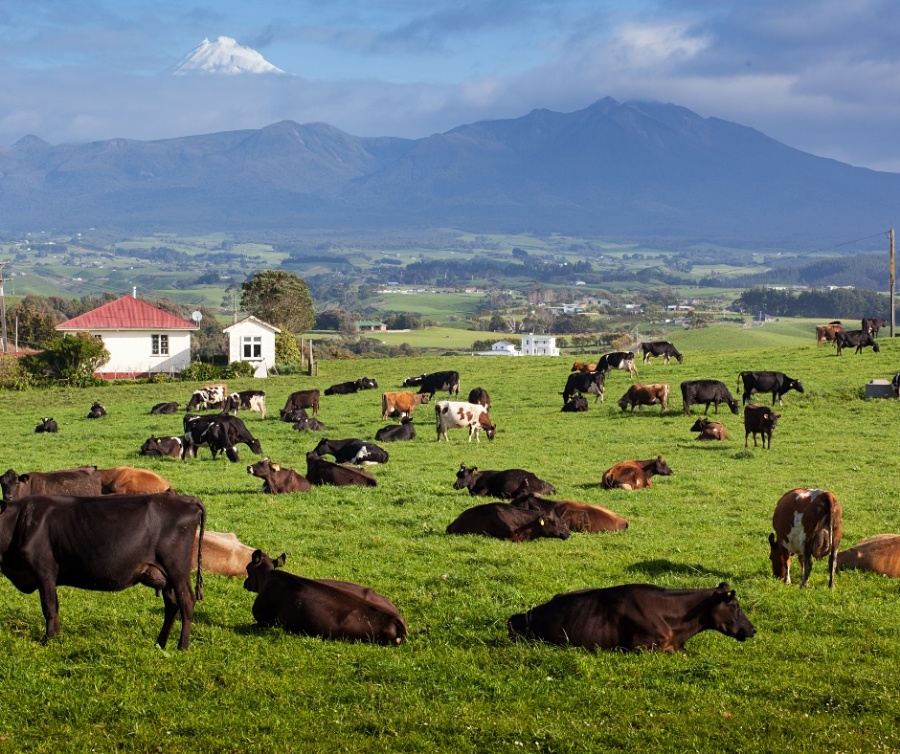
- Move from consumer to contributor. A widespread community of small-scale food producers is working hard to improve the world’s food supply and needs our help. Purchasing sustainably raised foods is a meaningful contribution to encourage more sustainably-raised foods, at home and on travels. For example, look for beef producers like Panorama Organic, Teton Waters and Niman Ranch, who use grassland pasturing practices, not industrial feed lots, to raise their cattle.

Purchase sustainably-raised meat at markets and in restaurants when you travel and at home. Photo courtesy Canva.com.


As I mentioned in this previous article, living an eco-friendly life that includes travel is a challenge – and is possible when we make careful choices before/after and during travel. When we travel, what we choose to eat (and where we eat) matters – it can be a helpful investment in local communities, supporting local producers, and individual families to prosper. The RFT community of travelers can make a big and meaningful difference!
We are all travelers through space and time on this lovely green and blue sphere. Together, we can care for our home with the simplest of daily decisions to eat more local/organic products, and sustainably/humanely raised animal proteins. Informed choices are part of a grander and nobler act to preserve Earth for future travelers.

Helping promote sustainable food and travel benefits all of us. Photo courtesy Canva.com.
-Story by Jimmy McDonough, Eco-Friendly Food, Travel & Adventure Editor







0 Comments