











Travel is a gift but the way your body handles it may make you want to return that gift. In this sponsored post, learn some practical tips for why the way we eat and drink while traveling can either have us come home looking and feeling haggard or refreshed.
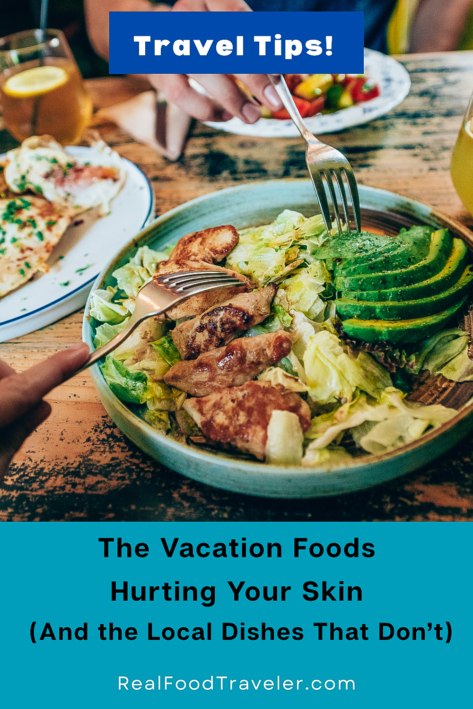
Save this article about vacation foods and skincare to Pinterest to keep it handy. Graphic by RealFoodTraveler.com.
Hungry for more? Read tips for better Jetlag Snacking.
Why your skin looks worse after a week away – and how to eat your way through a trip without paying for it in breakouts on the flight home.
The Vacation Foods That Quietly Wreck Your Skin (And the Local Dishes That Help It)
Coming home from vacation glowier than you left is the sales pitch. The reality is usually different. You unpack. You catch your reflection. There’s a breakout near your jawline. The skin under your eyes looks dimmer. Your face looks tired in a way that the week of “rest” was supposed to fix.
Travel does a lot of things to skin, and only some are visible while you’re there. Cabin air dries you out at 35,000 feet. Mineral content in unfamiliar water changes how your routine performs. Sleep schedules get shoved around. But the biggest variable – and the one most travelers don’t think about – is what they’re eating.
Good news, though. It goes both ways. Some vacation foods will quietly wreck your skin over six days. Other vacation foods will actively repair it. The trick is knowing which is which before you sit down at the third all-inclusive buffet of the trip.
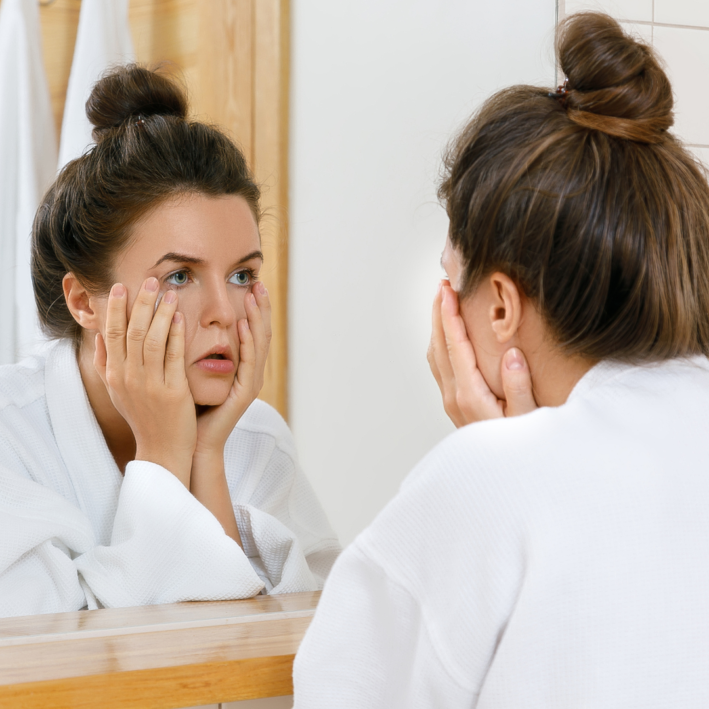
The way you eat and drink on vacation can either hurt or help your skin. Photo courtesy of Canva.com.
What’s Happening to Your Skin
Skin reflects diet with a delay of roughly two to four days. Whatever you ate on Monday is showing up on Thursday. Vacation eating concentrates the impact because you’re packing a week’s worth of unusual food choices into one stretch, often combined with alcohol, irregular sleep, and dehydration.
The mechanisms are reasonably well understood. Blood sugar spikes drive inflammation, which shows up as breakouts and dullness. Excess alcohol disrupts liver function, slows skin turnover, and depletes vitamins that matter for repair. Dairy in large quantities can trigger inflammation in people predisposed to it. Salt-heavy foods pull water out of the skin from the inside.
A useful breakdown of the food categories with the strongest evidence is Prima’s overview of what to eat for clearer skin – the principles transfer surprisingly cleanly from home routines into vacation planning.
The Vacation Food Traps
A few patterns show up everywhere.
Hotel breakfast buffets. Look at what’s on offer. Pastries. Bacon. Industrial scrambled eggs. Sweetened yogurt. Sugary juice in carafes. A cohort of foods optimized for hotel logistics, not skin health. The protein is usually fine; the carbohydrate-and-sugar load is where the damage builds.
The “I’m on vacation” dessert pattern. A nightly dessert on a normal day is a sometimes-treat. A nightly dessert across seven straight days is a week of glucose spikes the skin notices.
Cocktails three times a day. A daiquiri at lunch, wine at dinner, a digestif before bed. Alcohol’s effect on skin compounds fast. By day five, you can see it in the mirror.
Salt-heavy resort food. Resort kitchens season aggressively because diners’ palates dull at altitude or after multiple drinks. Sodium load goes up. Hydration goes down. Skin looks puffy in the morning and depleted by evening.
Convenience snacking. Airport food, gas station stops on road trips, sugary “energy” bars marketed as healthy. Easy to default to when the trip schedule gets weird.
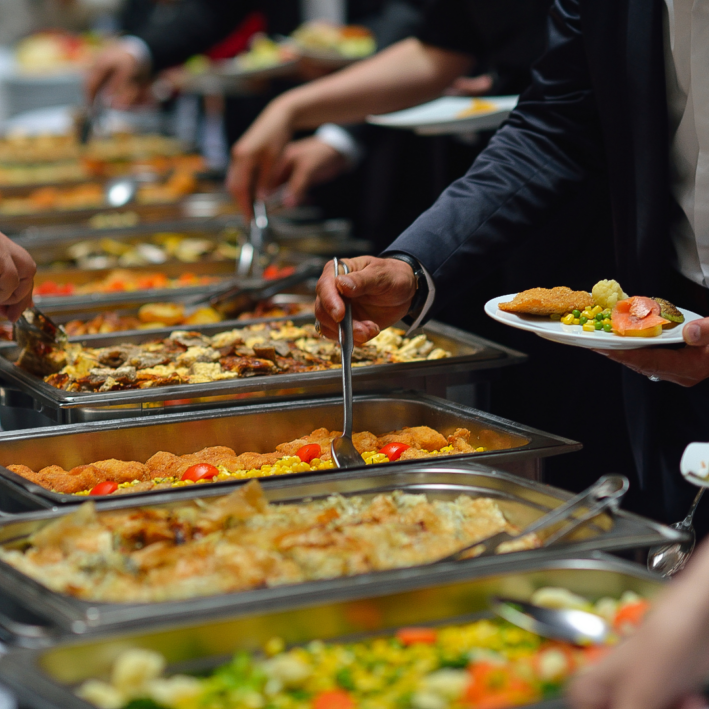
Eating too much and too much of the wrong things during vacation is all too easy to do. Photo courtesy of Canva.com.
What to Eat Instead (Without Skipping the Local Food)
This is where authentic local eating becomes a feature, not a bug. Real traditional cuisines tend to be skin-friendlier than the tourist-targeted hotel food that surrounds them.
The Mediterranean is the obvious example – oily fish (sardines, anchovies, fresh-caught mackerel), olive oil, tomatoes, walnuts, leafy greens. The diet that gave Mediterranean populations historically slower visible aging isn’t an accident. Omega-3s and polyphenols are doing real work there.
Japanese eating works similarly. Fermented foods like miso and pickles. Seaweed in soups. Matcha. Oily fish across most meals. The omega-3 and antioxidant load is enormous, and the breakouts most travelers experience after a heavy Tokyo trip usually trace to ramen and konbini stops, not the traditional kaiseki dinner.
Latin American cooking favors avocado, papaya, citrus, beans, and fresh corn-based dishes. Vitamin C and healthy fats in serious quantities, with a noticeable difference visible within days for many people.
Southeast Asian dishes lean on turmeric, coconut, leafy greens, and herb-heavy preparations. Anti-inflammatory by default.
The pattern is consistent. Traditional cooking that predates the global processed-food industry tends to support skin. The tourist-trap food that surrounds those cuisines often doesn’t.
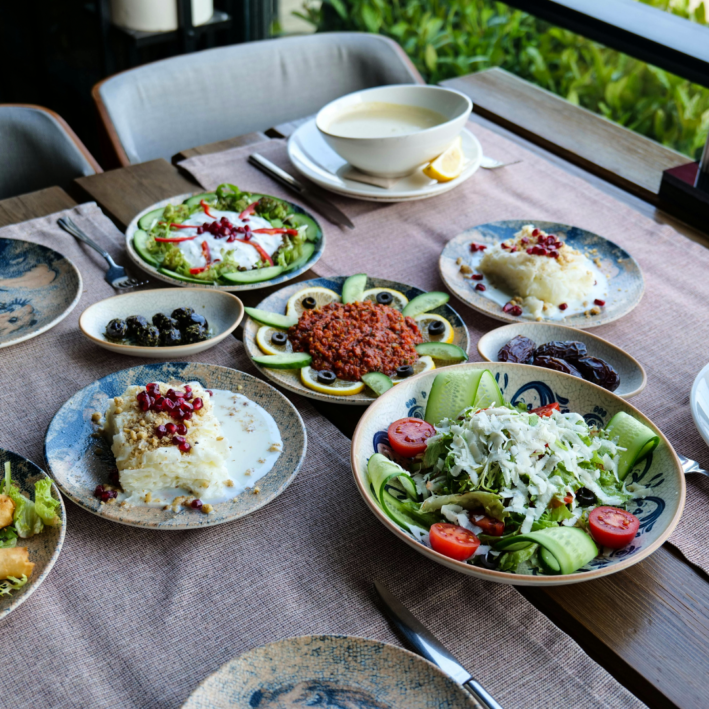
There are plenty of delicious ways to eat healthier while also eating the local cuisine when traveling. Photo courtesy of Canva.com.
Hungry for more? Editor’s Pick: Travel Packing Hacks.
How to Eat Through a Trip Without Losing the Plot
A few practical moves.
Eat the local breakfast wherever you are, not the international hotel buffet. Greek yogurt with honey and walnuts beats the hotel pancake station. Pho or congee in Asia beats the international option down the lobby.
Drink more water than feels reasonable. Cabin air, alcohol, salt – everything is pulling water out of you. Replace it aggressively, especially the morning after a heavy dinner.
Keep one meal a day cleanish if the trip is going long. A salad-and-fish lunch creates room for the elaborate dinner without the skin cost.
Ration alcohol by the week, not the day. Six drinks across seven nights is fine. Six drinks across two nights is the kind of thing your skin will report on by Friday.

Being intentional with what you eat and drink on vacation can make a big difference in how you look and feel. Photo courtesy of Canva.com.
The Bottom Line
The fantasy that vacation should be a complete free-for-all dies hard, but it’s not actually a binary. Eating the local food authentically – the way locals eat, not the way resorts approximate it – is usually better for your skin than the surrounding tourist diet. The trip can give you back better skin than you arrived with. It just won’t if the only thing you eat is room service.
-By Olivia Castle, RealFoodTraveler.com contributor
Please note: This article is sponsored. The opinions expressed here do not necessarily reflect those of RealFoodTraveler.com.









0 Comments